EMPLOYEES
At least 22 months
If you file a Self Assessment return on time, GOV.UK says to keep your records for at least 22 months after the end of the tax year the return is for.
Check a document
 fileboxdepot
WHAT THE GUIDANCE SAYS
22 MONTHS the usual minimum
Most paperwork has a shelf life.
HMRC sets how long tax records should be kept, and it depends on how you earn and when you file. Once a paper is no longer needed, UK guidance says to destroy anything with your personal details on it.
Updated
Check a documentTHE SHORT ANSWER
How long depends on how you earn.
What you throw away still matters.
EMPLOYEES
If you file a Self Assessment return on time, GOV.UK says to keep your records for at least 22 months after the end of the tax year the return is for.
Check a documentSELF-EMPLOYED
Sole traders and partners must keep business records for at least 5 years after the 31 January deadline of the tax year they relate to.
See the numbersDISPOSAL
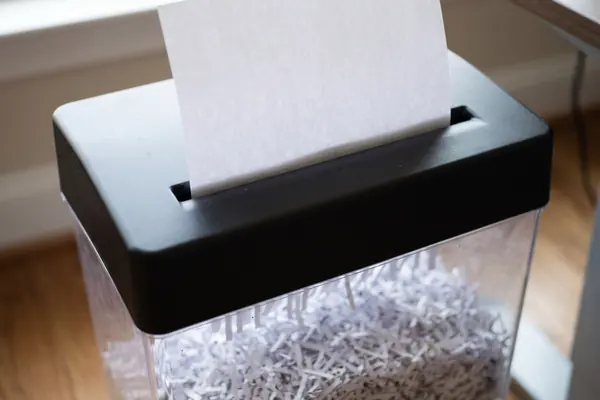
The ICO says to shred or destroy old documents so nothing showing your name, address or other personal details can be taken.
How to sort a boxA QUICK DOCUMENT CHECK
Pick a type of paperwork to see the minimum keeping time GOV.UK gives. The bar shows how long it should stay in the box.
Based on GOV.UK guidance on keeping tax and business records. This is general information, not tax or legal advice.
TWO NUMBERS WORTH KNOWING
One figure for most people filing on time,
one for sole traders and partners.
22 months
Minimum time to keep tax records
Counted from the end of the tax year the return is for. GOV.UK lists P60s, P45s, P11D forms, bank statements and pension P60s among the records to keep.
ON-TIME RETURNS · GOV.UK
5 years
Minimum time to keep business records
Counted from the 31 January submission deadline of the relevant tax year. Records include sales, expenses, receipts, bank statements and invoices.
SELF-EMPLOYED · GOV.UK
For limited companies the period is 6 years from the end of the last financial year, and GOV.UK says a company can be fined £3,000 by HMRC, or a director disqualified, for not keeping accounting records.
FOUR STEPS FOR A PAPER PILE
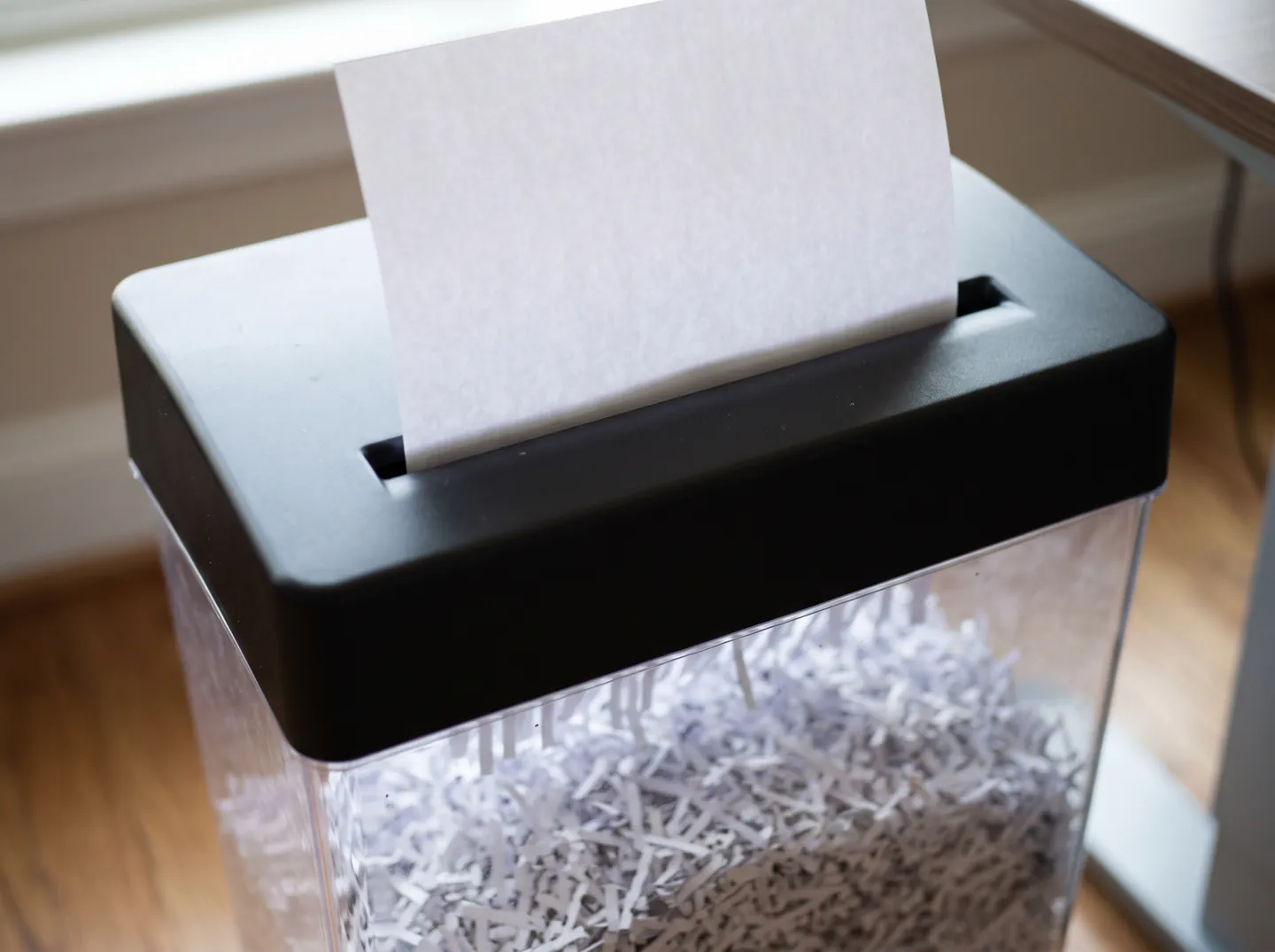
You do not need special kit. A few folders, a pen for keep dates and a shredder or a safe way to destroy paper will do.
HMRC works in tax years from 6 April to 5 April, so group pay, savings and pension papers that way.
Mark each folder with the date the guidance gives, such as the end of January two years on for on-time returns.
The ICO advises keeping passports, driving licences, statements and bills in a safe and secure place.
Destroy old papers with your name or address on them rather than putting them whole in the recycling.
PAPER OR DIGITAL

GOV.UK says there are no rules on how you keep records: on paper, digitally or in book-keeping software. What matters is that they are accurate, complete and readable, because HMRC can charge a penalty if they are not.
Get Safe Online suggests paperless bills and statements where possible to cut down on paper that could be stolen. If records are lost, GOV.UK says to ask banks and suppliers for copies and, if needed, use provisional or estimated figures and say so on the return.
Questions
No. GOV.UK says there are no rules on how you must keep records: paper, digital files or software are all fine, as long as they are accurate, complete and readable.
GOV.UK lists your P45, P60, form P11D, details of redundancy or termination payments, records of work expenses you claim and documents about benefits such as Statutory Sick Pay.
Try to get copies, for example from your bank. If you cannot recreate them, GOV.UK says you can use provisional or estimated figures and must say so in the 'Any other information' box on the return.
The ICO says to shred or destroy old documents so nothing showing your name, address or personal details can be taken. Get Safe Online suggests a cross-cut shredder.
The ICO advises giving your new address to your bank, card providers, mobile and utility companies, and you can redirect your post through Royal Mail so letters do not reach the new occupants.
Sources
ABOUT THIS NAME
fileboxdepot.com is part of the DoodleSale portfolio. It isn't in an auction right now, but you can ask about leasing it.